Stewartby Timeline
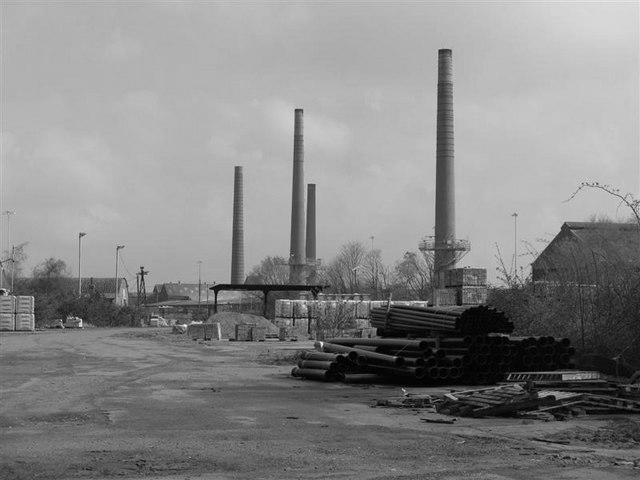
Brickworks close after over 100 years of brickmaking in the area. 4 Chimneys and kilns given Grade 2 listed status. Children’s play area removed, giving children of the village no where to play.

Subsiduary company, London Brick Land Development Ltd (Renamed London Brick Landfill Ltd in 1977) is set up to provide a service to dispose of domestic and industrial waste into the worked out clay pits.

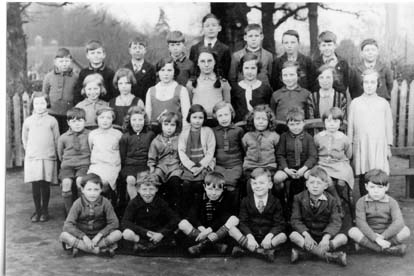

Park Crescent, Pillinge Road, Rousbury Road and Magpie Avenue, Play area and Stewartby United Church were built for the Stewartby brick workers

The Land is made up of 1946 acres mainly from land from the Parish of Wootton which was owned by the London Brick Company and Forders Ltd. By request of Sir Percy Malcolm Stewart who was the first Chairman of the Newly formed Parish Council.
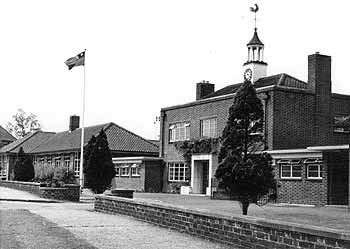
The Stewartby school was opened. as of 2017 the school is named Marston Vale, which takes in children from the surrounding area


Stewartby Memorial Hall ws built in 1929, The memorial hall stands in the centre of Stewartby, the roll of honour consists of four stone plaques set into the inner walls.

In 1926 the LBC began to build a ‘garden village’ for it’s employees at Wooton Pillinge; the village was to be named Stewartby after Sir Halley Stewart.


The Wootton Pillinge Brick Company, founded in 1901, was finally bought out by LBC during the slump of the early 1920s. The two companys then went on to merge together.

There were already several brickyards throughout the county. London Brick capitalised on this and bought the company of James Randall in 1900, operating in Wootton Broadmead, shortly followed by a further 450 acres of land at Wootton Pillinge in 1905.

During the year 1900-1901 L.B.C. acquire land in Bedfordshire including land in Wootton Broadmead owned by James Randall

Halley Stewart entered his father’s business in 1891. Halley and his son Malcom Stewart then became directors of the cement business in which the family was interested – B. J. Forder & Son Ltd – became part of the British Portland Cement Manufacturers Ltd in 1912

Originally two Wootton farming settlements, Wootton Pillinge and neighbouring Wootton Broadmead, the Wootton Pillinge LBC village was in 1936 renamed Stewartby, taking its new name from the Stewart family, directors of London Brick Company since 1900

The London Brick Company owes its origins to John Cathles Hill, a developer-architect who built houses in London and Peterborough. In 1889, Hill bought the small T.W. Hardy & Sons brickyard at Fletton near Peterborough, and the business was incorporated as the London Brick Company in 1900