
Stewartby Timeline
2008
2008
Brickworks close after over 100 years of brickmaking in the area.
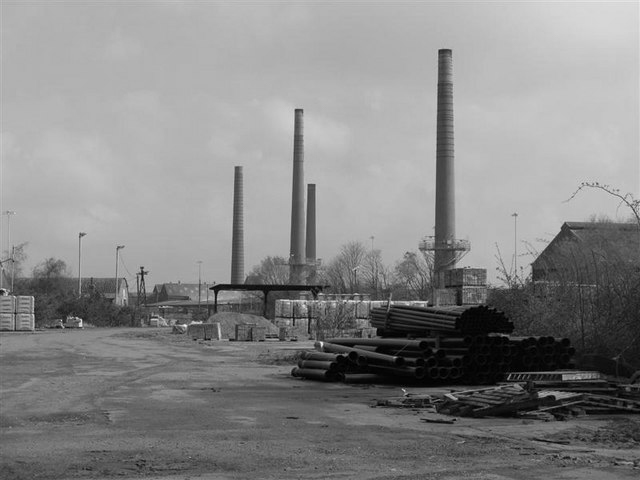
Brickworks close after over 100 years of brickmaking in the area. 4 Chimneys and kilns given Grade 2 listed status. Children’s play area removed, giving children of the village no where to play.
2003
2003
Large parts of Stewartby designated as a Conservation Area.
1990
1990
A new housing estate built, The Meadows, The Pastures and the Industrial units on Broadmead Road.
1984
1984
London Brick Company taken over by the Hanson Trust and all company houses put up for sale.
1970
1970
Subsiduary company, London Brick Land Development Ltd

Subsiduary company, London Brick Land Development Ltd (Renamed London Brick Landfill Ltd in 1977) is set up to provide a service to dispose of domestic and industrial waste into the worked out clay pits.
1970
The Pillinge clay pit is transformed into a lake as part of the Marston Vale country park.

1964
1964
1955
1955
Sir Malcolm Stewart Trust homes built to house retired brick workers
1951
1951
New estate built for brick workers

Park Crescent, Pillinge Road, Rousbury Road and Magpie Avenue, Play area and Stewartby United Church were built for the Stewartby brick workers
1937
1937
Creation of the Parish of Stewartby

The Land is made up of 1946 acres mainly from land from the Parish of Wootton which was owned by the London Brick Company and Forders Ltd. By request of Sir Percy Malcolm Stewart who was the first Chairman of the Newly formed Parish Council.
1936
1936
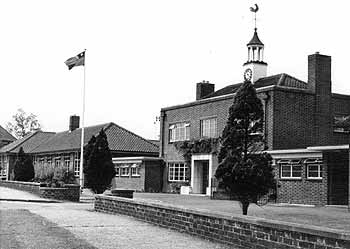
The Stewartby school was opened. as of 2017 the school is named Marston Vale, which takes in children from the surrounding area
1936

1934
1934
Further 3 Squares Built (Alexander, Montgomery And Wavell Closes) Designed By Mr F.W. Walker.

1933
1933
General Store built in the centre of the village.

1932
1932
Stewartby Social Club officially opened on the 11th July

1931
1931
Proposed plans to make Stewartby a separate parish were turned down by Wootton Parish Council.

1929
1929

Stewartby Memorial Hall ws built in 1929, The memorial hall stands in the centre of Stewartby, the roll of honour consists of four stone plaques set into the inner walls.
1928
1928
1926
1926

In 1926 the LBC began to build a ‘garden village’ for it’s employees at Wooton Pillinge; the village was to be named Stewartby after Sir Halley Stewart.
1923
1923

1920
1920
L.B.C and Wootton Brick Company merge.

The Wootton Pillinge Brick Company, founded in 1901, was finally bought out by LBC during the slump of the early 1920s. The two companys then went on to merge together.
1905
1905
L.B.C. acquire 450 acres in Wooton Pillinge

There were already several brickyards throughout the county. London Brick capitalised on this and bought the company of James Randall in 1900, operating in Wootton Broadmead, shortly followed by a further 450 acres of land at Wootton Pillinge in 1905.
1901
1901
Wootton Pillinge Brick Company founded.

During the year 1900-1901 L.B.C. acquire land in Bedfordshire including land in Wootton Broadmead owned by James Randall
1900
1900
Halley Stewart and his son, P. Malcolm Stewart become directors of B.J. Forders and Son

Halley Stewart entered his father’s business in 1891. Halley and his son Malcom Stewart then became directors of the cement business in which the family was interested – B. J. Forder & Son Ltd – became part of the British Portland Cement Manufacturers Ltd in 1912
1897
1897
Brickmaking begins in Stewartby

Originally two Wootton farming settlements, Wootton Pillinge and neighbouring Wootton Broadmead, the Wootton Pillinge LBC village was in 1936 renamed Stewartby, taking its new name from the Stewart family, directors of London Brick Company since 1900
1889
1889
The London Brick Company was founded in Fletton, Huntingdonshire

The London Brick Company owes its origins to John Cathles Hill, a developer-architect who built houses in London and Peterborough. In 1889, Hill bought the small T.W. Hardy & Sons brickyard at Fletton near Peterborough, and the business was incorporated as the London Brick Company in 1900